
Back to Blogpillar
Beyond the Basics: Managing First Aid Competency and Compliance in High-Risk Environments
Ben A. 29 September 2026
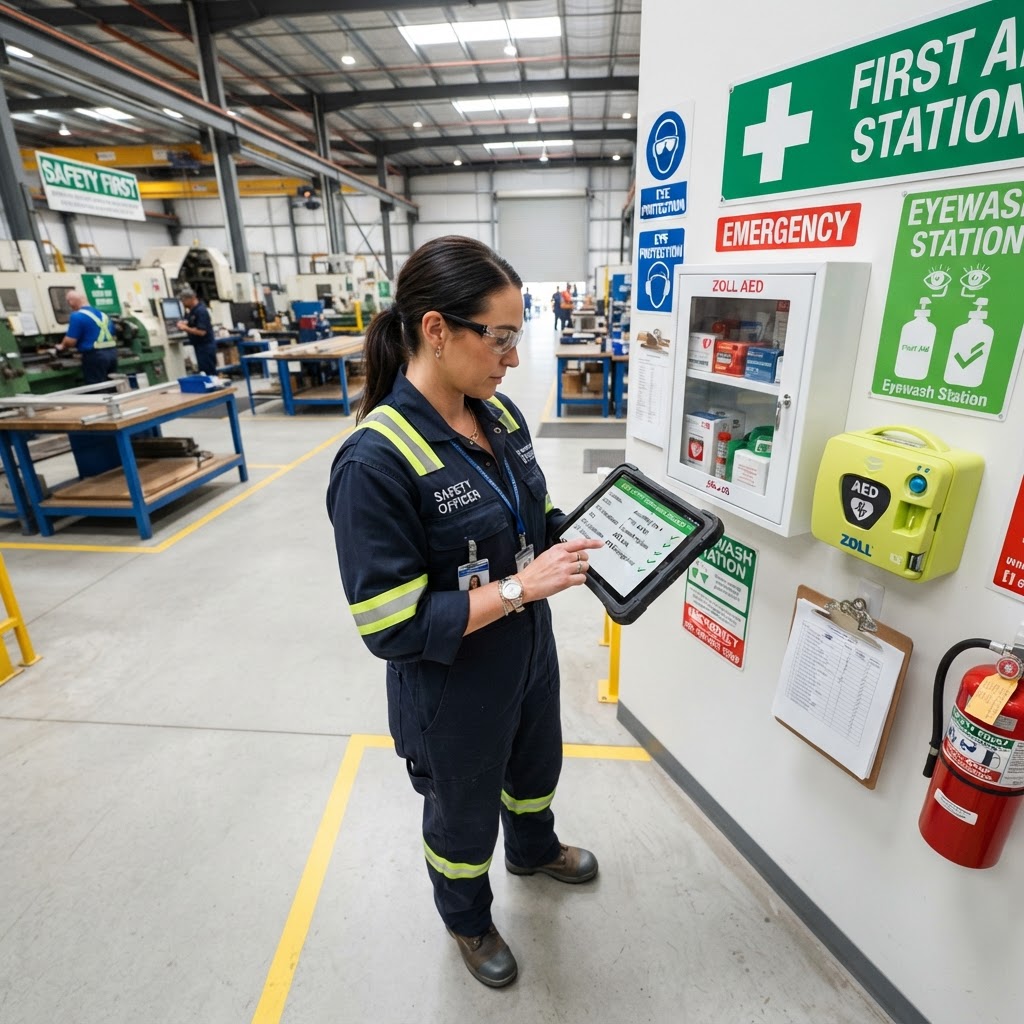
Beyond the Basics: Managing First Aid Competency and Compliance in High-Risk Environments In the UK, the Health and Safety (First-Aid) Regulations 1981 place a clear statutory duty on employers to provide 'adequate and appropriate' equipment, facilities, and personnel to ensure their employees receive immediate attention if they are injured or taken ill at work. For high-risk environments—such as industrial manufacturing, construction, or isolated field sites—the 'standard' approach to first aid often falls short. ## The High-Risk Distinction: Why Standard Provisions Aren't Enough In many office environments, the risks are predictable and low-impact. However, high-risk environments introduce variables that require a more robust First Aid at Work strategy. These include machinery hazards, exposure to hazardous substances, or lone-working scenarios. Compliance officers must perform a dynamic First Aid Needs Assessment that considers not just the number of staff, but the specific nature of the risks present. ## Designing a Competency-Based Training Framework Relying solely on a certificate of attendance is no longer sufficient for modern compliance. Employers must adopt a competency-based training framework. This involves: 1. Scenario-Based Learning: Training should mirror the actual physical environment of the workplace. 2. Refresher Cycles: Don't wait for the three-year expiry. Frequent skills drills keep muscle memory sharp for critical life-saving techniques. 3. Equipment Familiarisation: Ensuring every first aider is fully trained on specific site equipment, such as trauma kits or AEDs. Explore our Level 3 Award in First Aid at Work to build a foundation that meets these high standards. ## The Role of Clinical Governance in Non-Clinical Settings Even in non-healthcare environments, professional clinical oversight in your training programmes provides an extra layer of assurance. When staff are trained by healthcare professionals, the quality of instruction tends to be higher, focusing on the 'why' behind the protocol, not just the 'how.' This promotes a safety-first culture that transcends simple box-ticking. ## Integrating Emergency Planning with First Aid Provision First aid does not exist in a vacuum. It is a vital component of your overall emergency response plan. If an incident occurs, the first aider's role is to bridge the gap until emergency services arrive. Does your site have clear access routes for ambulances? Are your first aiders trained to coordinate with site security? These questions are essential for full Health and Safety compliance. ## Maintaining Audit-Ready Records for Regulators If the HSE or an external auditor visits your site, they will want to see more than just certificates on the wall. They want to see the audit trail: training records, maintenance logs for AEDs, and the most recent copy of your Needs Assessment. Keeping these documents digital, accessible, and up-to-date is a non-negotiable aspect of modern workplace management. ## Key Takeaways - High-risk environments require more than generic first aid training; they require risk-specific preparedness. - Regular skill drills ensure that life-saving knowledge remains sharp between formal requalification periods. - Integrate first aid into your wider emergency response plan to ensure seamless coordination during a crisis. - Robust documentation is your best defence during a regulatory audit. - If your workplace environment has changed, your First Aid Needs Assessment must be reviewed immediately. Need expert guidance on your site's specific requirements? Contact our team to discuss a tailored training solution.
#first aid#workplace safety#compliance#HSE#risk assessment