
Mitigating Risk: Essential First Aid Preparedness for Lone Workers in the UK
Mitigating Risk: Essential First Aid Preparedness for Lone Workers in the UK
Understanding the Lone Worker Safety Landscape
In today's rapidly evolving workplace, the number of employees operating in isolation—from remote field locations to out-of-hours shifts—is on the rise. While many organisations maintain rigorous safety standards for office-based staff, lone worker safety often requires a more nuanced approach. Under the Health and Safety at Work etc. Act 1974, employers hold a statutory duty to safeguard the health and welfare of all employees, regardless of their location. Guardian Medical provides the expert guidance necessary to ensure your organisation remains fully compliant.
Conducting a Targeted First Aid Needs Assessment for Lone Workers
Compliance begins with a specific First Aid Needs Assessment. A 'one size fits all' policy is insufficient for modern risks; you must evaluate task-specific hazards, proximity to emergency services, and isolation factors. If your staff operate in high-risk environments, their first aid requirements are likely complex. We recommend enrolling your team in our Emergency First Aid at Work programme to ensure they possess the clinical competence required to manage incidents effectively while waiting for professional help.
Building a Robust Communication and First Aid Strategy
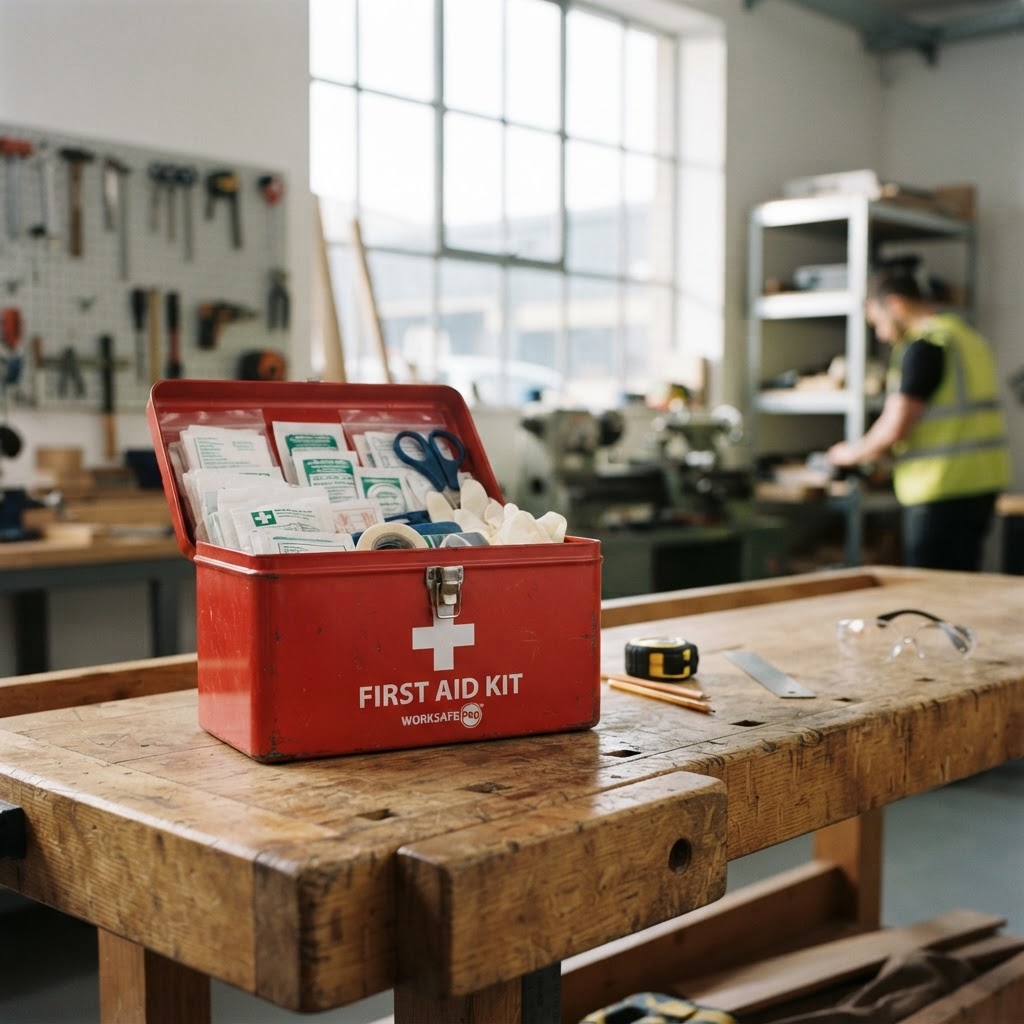
For the isolated employee, communication is the primary line of defence. Implementing a 'buddy system' or automated tracking technology is vital, but equally critical is ensuring that every worker is equipped with a task-specific, audited first aid kit. Guardian Medical helps organisations design safety protocols that move beyond basic recommendations to achieve genuine regulatory compliance.
Empowering Staff through Self-Reliance Training
When working alone, an employee may become the first responder to their own medical emergency. This requires a shift in training focus toward self-reliance. Our Basic Life Support (BLS) training modules are essential for remote teams, providing the life-saving skills to manage cardiac events. By investing in professional training, you empower your workforce to act with confidence during critical moments.
Cultivating a Unified Culture of Safety
Distance should never translate to a dilution of your safety standards. Regular refresher training and clear incident reporting are the hallmarks of a proactive organisation. If you are uncertain about your current risk exposure or legal obligations, contact Guardian Medical today to discuss bespoke training solutions tailored to your unique workforce structure.
Key Takeaways for Compliance Leaders
- Statutory Duty: Lone workers fall under the same rigorous Health and Safety legislation as office staff.
- Proactive Assessment: A bespoke First Aid Needs Assessment is a legal necessity for all remote operations.
- Rapid Response: Robust communication protocols are essential to bridge the gap during an emergency.
- Skills Focus: Training must prioritise self-reliance and BLS capabilities for isolated staff.
- Equipment Audits: First aid kits must be environment-specific and subject to regular, documented audits.