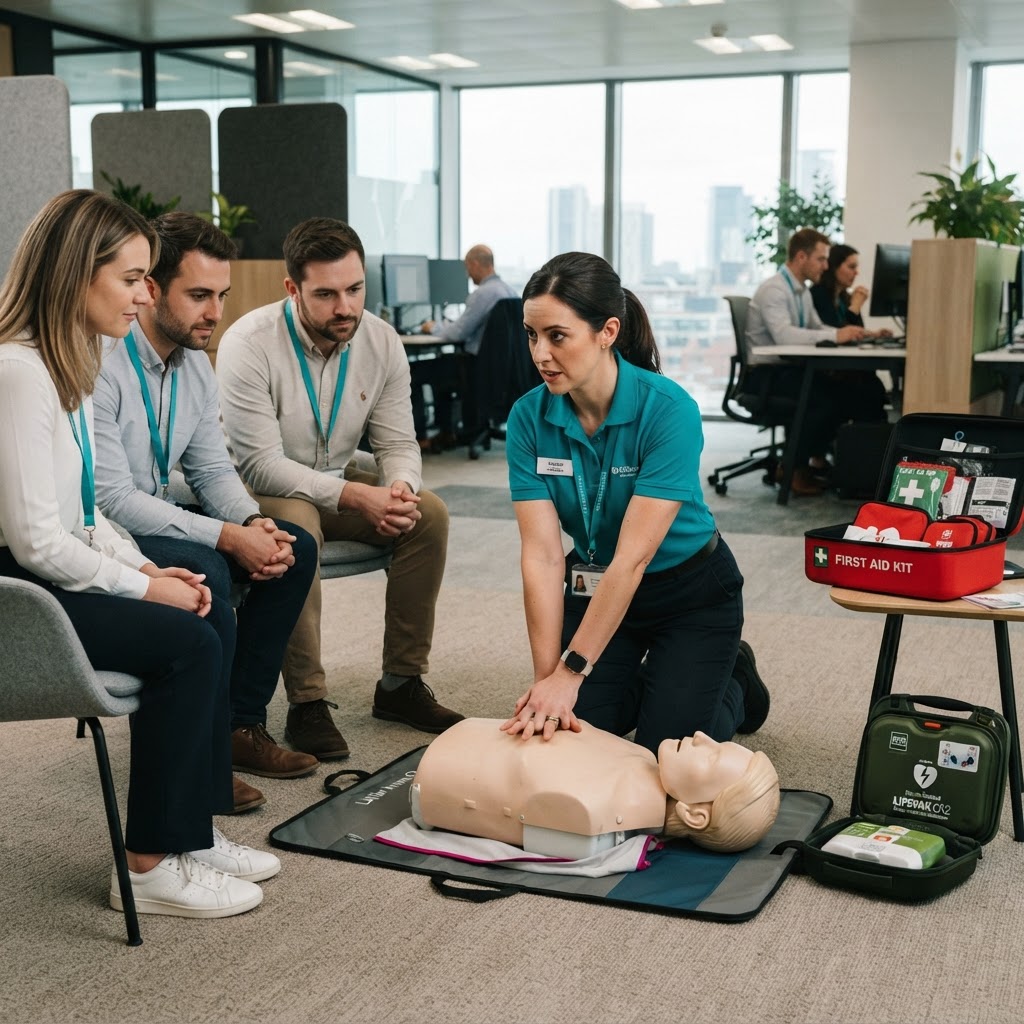

Training Needs Analysis: Why It’s Your Strategic Advantage in Healthcare Compliance
A Training Needs Analysis (TNA) is not merely an administrative exercise; it is the cornerstone of an efficient, compliant, and high-performing medical organization. By systematically identifying the gap between your workforce’s current capabilities and the standards required to meet statutory compliance or clinical excellence, a TNA ensures that every training investment delivers measurable ROI.
At Guardian Medical, we believe that training should never be a reactive "quick fix." Instead, a well-executed TNA ensures that your learning strategy directly mitigates risk and solves operational performance gaps. Contact our expert consultancy team today to discuss how a formal analysis can streamline your compliance journey.
1. What is a Training Needs Analysis? A Three-Tiered Approach
A professional TNA evaluates capability across three critical levels to provide a 360-degree view of your organization:
| Level | Focus | Primary Question | |---|---|---| | Organizational | Strategy, legal compliance, and budgetary oversight. | Where is training most essential to protect the business and meet regulatory standards? | | Operational / Task | Role-specific standards, safety protocols, and clinical competencies. | What precise skills are required to perform this clinical role to standard? | | Individual | Performance data, audit findings, and worker capability. | Which team members need targeted upskilling, and in which specific areas? |
2. Who Needs to Conduct a Training Needs Analysis?
Whether you are a clinic manager or a regional director, a TNA provides the data-driven insights necessary to optimize your resources:
- Employers & Senior Leadership: Ensure mandatory health and safety or safeguarding regulations are met while eliminating wasteful expenditure on redundant training.
- HR & L&D Managers: Build evidence-based learning plans that justify training budgets to board members.
- Department Leads: Resolve performance bottlenecks, mitigate clinical errors, and structure a seamless onboarding process for new hires.
- Training Providers: Use professional assessments to deliver tailored training solutions that address the unique context of your facility.
3. How to Conduct an Effective TNA
- Define Objectives: Are you solving a compliance breach, mitigating a specific clinical risk, or preparing for new medical technology deployment?
- Map Competencies: Outline the exact Knowledge, Skills, and Attributes (KSAs) required for each position.
- Assess Capabilities: Utilize direct observation, audit results, and supervisor reviews to gain a clear picture of current performance.
- Identify Gaps: Compare current status against benchmarks to isolate deficits. Guardian Medical can help you differentiate between training-related needs and infrastructure or procedural issues.
- Prioritize and Design: Categorize needs by urgency—starting with statutory compliance and high-risk safety protocols—before selecting the right delivery format, such as our specialized clinical workshops.