
Childcare Compliance: Navigating Paediatric First Aid Requirements in UK Settings
Ensure your nursery or school meets legal standards with our comprehensive guide to Paediatric First Aid compliance for UK childcare providers.
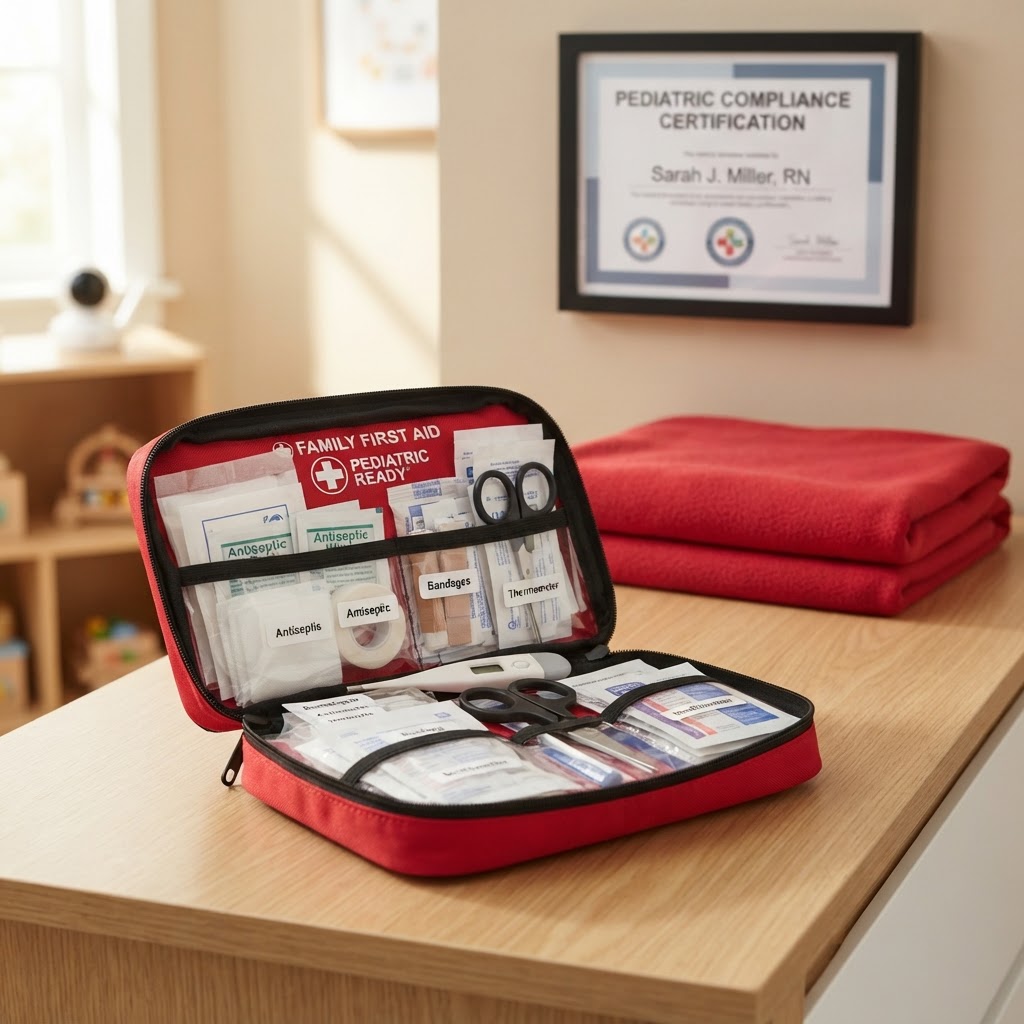
Childcare Compliance: Navigating Paediatric First Aid Requirements in UK Settings
For those working within the Early Years Foundation Stage (EYFS) or school environments, the safety of the children in your care is the absolute priority. Beyond the moral imperative, there are stringent regulatory requirements that dictate exactly how many staff members must be trained and to what standard. At Guardian Medical, we frequently support settings in navigating these complexities to ensure they remain both compliant and prepared for emergencies.
Understanding the Statutory Framework
The Department for Education's statutory framework for the Early Years Foundation Stage (EYFS) is the bedrock of childcare compliance in England. It mandates that at least one person who has a current Paediatric First Aid (PFA) certificate must be on the premises and available at all times when children are present, and must accompany children on outings. This is not merely a recommendation; it is a prerequisite for operating legally.
2-Day PFA vs. Emergency PFA: Choosing the Right Training
Not all first aid training is created equal. The full 2-Day Paediatric First Aid course is designed for those who act as the primary designated first-aider in a childcare setting. In contrast, the Emergency Paediatric First Aid course is often shorter and covers the absolute essentials. Understanding the distinction is vital for HR managers and nursery leads—ensuring your team has the right depth of knowledge for the specific risks associated with your setting.
The Role of Ofqual-Regulated Qualifications
To ensure your setting meets the high standards required by Ofsted, you must verify that your training provider offers Ofqual-regulated, RQF-accredited courses. Using non-accredited providers can leave your staff under-prepared and your setting vulnerable during an inspection. Guardian Medical prides itself on delivering high-quality, regulated training that meets the rigorous criteria set out by professional bodies.
Maintaining Competence: Recertification and Refreshers
Compliance is not a one-time achievement. PFA certificates typically expire every three years. However, best practice suggests that staff should undertake regular refreshers to maintain the muscle memory required for CPR and AED usage. Managing a rolling schedule for staff certification is a key duty for compliance officers. If you need assistance managing your team's training schedule, contact our team today.
Key Takeaways
- Statutory Requirement: Ensure at least one staff member with a full PFA qualification is present at all times.
- Check Accreditation: Always verify that your training provider uses Ofqual-regulated RQF courses.
- Stay Current: Monitor your team's certification expiry dates closely to avoid lapses in compliance.
- Practical Readiness: Regular refreshers are vital for maintaining confidence in high-pressure emergency situations.
*Guardian Medical Ltd earns a commission from sales of this device. The affiliate access link is provided after checkout.*
Frequently Asked Questions
Common questions about this topic, answered by our training and compliance experts.
Related Training Courses
Put this knowledge into practice with our accredited training programmes.
Related Articles
Mandatory Training for Healthcare Professionals: A 2026 Compliance Guide
Stay ahead of regulatory shifts in 2026 with our comprehensive guide to mandatory healthcare training, covering essential compliance modules and expert strategies for managing staff competency.
CQC Mandatory Training Requirements for Care Homes: A Complete Guide (2026)
Everything care home managers need to know about CQC mandatory training requirements in 2026 — including safeguarding, manual handling, medication management, and how to demonstrate compliance during inspections.
The Complete Guide to Positive Behaviour Support (PBS) for Education and Care Settings
A comprehensive, evidence-based guide to Positive Behaviour Support (PBS) for schools, SEN providers, and care organisations. Learn how PBS reduces restrictive Practices, improves outcomes, and meets CQC and Ofsted expectations.