
Maintaining Competence: A Guide to First Aid Requalification for UK Employers
Is your team's first aid certification expiring? Discover how to effectively manage workplace requalification to ensure ongoing compliance and patient safety.
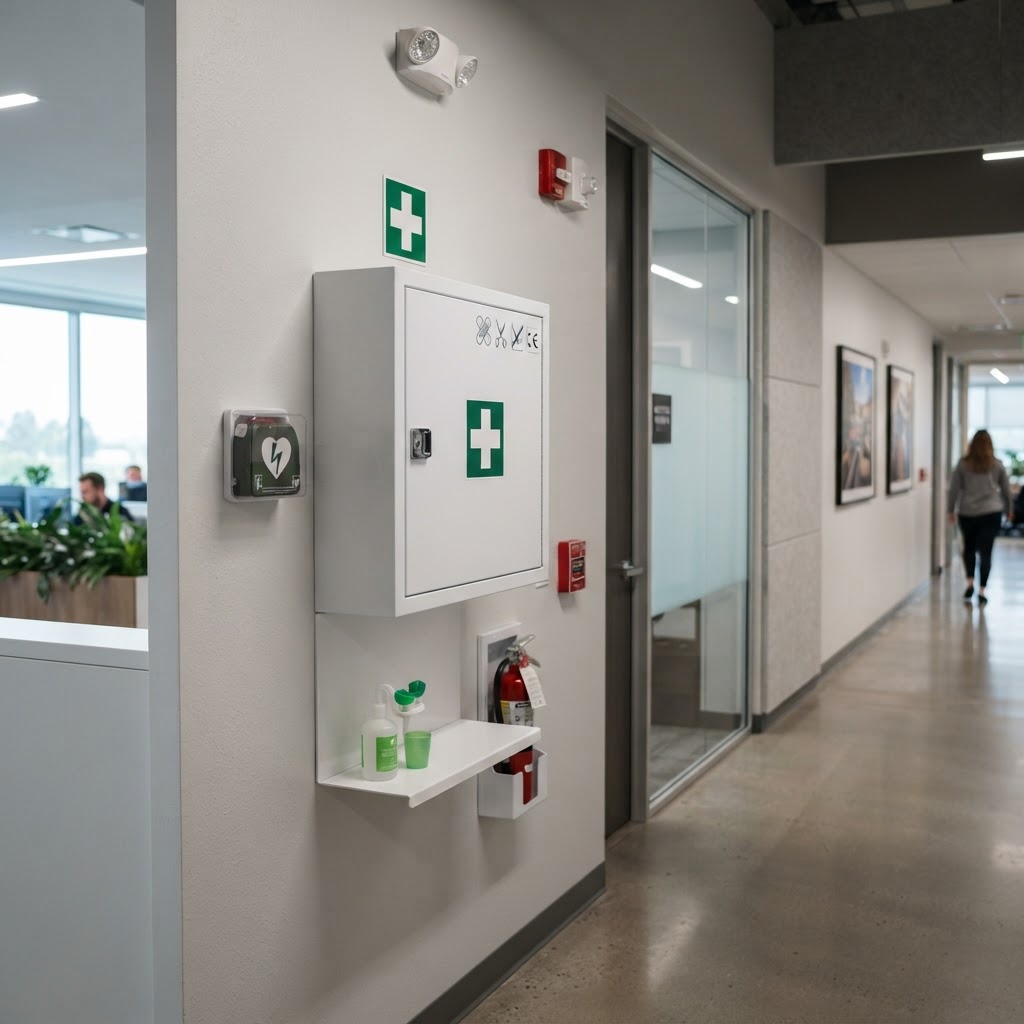
Maintaining Competence: A Guide to First Aid Requalification for UK Employers
For HR managers and compliance officers, workplace safety is not a 'one-and-done' event. Achieving compliance through initial training is the first step, but maintaining that competency is where the real challenge lies. With Ofqual-regulated qualifications such as the Level 3 Award in First Aid at Work (FAW) having a three-year validity period, proactive management of requalification is essential to avoid gaps in safety coverage.
Why Requalification Matters for Compliance
Under the Health and Safety (First Aid) Regulations 1981, employers must provide adequate and appropriate equipment, facilities, and personnel. If your designated first aiders allow their certifications to lapse, your organisation may fall out of regulatory compliance, exposing you to legal risks and potentially voiding insurance policies. Requalification ensures that your team remains confident in high-pressure scenarios, reflecting the latest guidelines in CPR and emergency care.
The Three-Year Cycle: Planning Ahead
Effective compliance management requires a robust tracking system. We recommend that organisations begin the requalification process at least three months before certificates expire. This buffer allows for scheduling conflicts and ensures that the transition is seamless. You can review our First Aid at Work Requalification options to see how we streamline this for busy teams.
What to Expect in a Requalification Course
Requalification courses are designed to be more efficient than initial training. They focus on refreshing core skills—such as managing airway obstructions, performing CPR, and using an AED—while updating participants on any recent changes in clinical best practice. These sessions are faster-paced, acknowledging the previous experience of the delegates while validating their continued competence.
Choosing Between FAW and EFAW
Not every role requires a full three-day First Aid at Work course upon renewal. Depending on your latest First Aid Needs Assessment, you may determine that an Emergency First Aid at Work (EFAW) certification is sufficient for certain departments. However, for high-risk environments, maintaining the full Level 3 FAW standard is non-negotiable.
Building a Culture of Safety
Beyond the paperwork, requalification is a moment to reinforce safety culture. It provides an opportunity to test internal protocols and ensure that your first aid kits are fully stocked and accessible. If you are unsure about your current training requirements, please contact our advisory team for a bespoke consultation.
Key Takeaways
- Qualifications typically expire every three years; don't wait for the lapse.
- Early planning allows for minimal disruption to your daily operations.
- Requalification courses are specifically designed to be efficient for experienced staff.
- Always align your training level with your latest workplace risk assessment.
*Guardian Medical Ltd earns a commission from sales of this device. The affiliate access link is provided after checkout.*
Frequently Asked Questions
Common questions about this topic, answered by our training and compliance experts.
Related Training Courses
Put this knowledge into practice with our accredited training programmes.
Related Articles
Mandatory Training for Healthcare Professionals: A 2026 Compliance Guide
Stay ahead of regulatory shifts in 2026 with our comprehensive guide to mandatory healthcare training, covering essential compliance modules and expert strategies for managing staff competency.
CQC Mandatory Training Requirements for Care Homes: A Complete Guide (2026)
Everything care home managers need to know about CQC mandatory training requirements in 2026 — including safeguarding, manual handling, medication management, and how to demonstrate compliance during inspections.
The Complete Guide to Positive Behaviour Support (PBS) for Education and Care Settings
A comprehensive, evidence-based guide to Positive Behaviour Support (PBS) for schools, SEN providers, and care organisations. Learn how PBS reduces restrictive Practices, improves outcomes, and meets CQC and Ofsted expectations.